Fish Oil Supplementation: The Top 5 Benefits

fish oil

Here are the top five reasons why you should consider fish oil supplementation.

  1. Supports Heart Health

    Fish oil contains omega-3 fatty acids, specifically EPA and DHA, which have been shown to support heart health.  Omega-3 fatty acids help reduce triglyceride levels, decrease blood pressure, and improve overall cardiovascular function. Regular consumption can lower the risk of heart disease and promote a healthy heart.

  2. Promotes Brain Function

    The omega-3 fatty acids in fish oil play a crucial role in brain development and function.
    DHA, in particular, is a major structural component of the brain and supports cognitive function.
    Taking a daily supplement can improve memory, focus, and overall brain health, benefiting individuals of all ages.

  3. Reduces Inflammation

    Fish oil has potent anti-inflammatory properties, thanks to its omega-3 fatty acid content.
    Omega-3s help suppress the production of inflammatory substances in the body, alleviating symptoms of chronic inflammation. Regular intake can help manage conditions like arthritis, asthma, and other inflammatory disorders.

  4. Supports Joint Health

    Fish oil’s anti-inflammatory properties extend to joint health as well. Omega-3 fatty acids help reduce joint pain, stiffness, and inflammation associated with conditions like rheumatoid arthritis. Regular supplementation can improve joint mobility and overall joint health, promoting an active lifestyle.

  5. Enhances Skin and Eye Health

    The omega-3 fatty acids in fish oil play a crucial role in maintaining healthy skin and eyes.
    DHA, in particular, is a structural component of the retina and supports optimal vision.
    Supplementation can help reduce dryness, redness, and inflammation of the skin, as well as support overall skin health and a youthful appearance.

Omega Sufficiency Fish Oil

Incorporating fish oil into your daily routine can provide numerous health benefits, ranging from supporting heart health and brain function to reducing inflammation and promoting joint, skin, and eye health.  Lifestyle Integration stocks and sells perhaps the world’s best fish oil Innate Choice Omega Sufficiency.

Yours in Health,

Dr Todd Lizon B.P.H.E., D.C. (Chiropractor)

We care deeply about your metabolic health here at Lifestyle Integration.

Subscribe to our newsletter to get our free eBook on how to manage metabolic dysfunction
The SPEED Trap: How To Reverse Metabolic Dysfunction


Your Sleep Routine Is Stealing Your Energy

sleep routine


sleeping man

Getting a good night’s sleep is critical to having good energy throughout the day. Good sleep starts long before you lay your head on the pillow though. What you do and don’t do during the hour or two before bed can significantly impact the quality of your sleep. Let’s have a look at some science-backed strategies to create a calming sleep routine that actually promotes optimal sleep and, in turn, good energy.

The Science of Sleep

It’s beyond the scope of this article to do a deep dive but it’s important to know that you have an internal clock that controls our sleep-wake cycle. It’s known as the circadian rhythm and it uses the hormone melatonin to help regulate sleep. Melatonin is influenced by external cues such as light exposure. Research studies are clearly showing that exposure to blue light from electronic devices suppresses melatonin production, making it harder to fall and stay asleep [1]. If we understand this we can then make changes in our homes to optimise our sleep routine and increase our energy.

Creating a Calming Environment


A. Minimising Electronic Device Usage

Electronic devices disrupt our sleep. Part of this is just the stimulation they provide but a larger part is the exposure to unnatural levels of blue light. A study published in the Journal of Clinical Sleep Medicine found that screen time in the evening is associated with delayed sleep onset and shorter sleep duration [2]. Blue light decimates our melatonin levels. To promote better sleep, it’s essential to avoid screens at least an hour before bedtime. Consider putting your devices away or use filters to reduce the amount of blue light you are being exposed to. Most phones have settings you can change or you can get blue light blocking glasses which are a wonderful solution [1]. While this requires a bit of work it’s perhaps the most effective sleep routine to implement.

If you want to learn more about melatonin here are some really cool tips on how to increase its production and preservation

B. Dimming the Lights

Bright lights in the evening can also interfere with melatonin production. Research suggests that exposure to bright light in the evening suppresses melatonin levels, and negatively affects our sleep [3]. Try dimming the lights in your home in the hours before bed. You can also opt for candles. Another great option is to use things like full spectrum or red bulbs.

If you are interested in light here’s a blog on how certain wavelengths of light can increase your energy levels.

C. Establishing a Relaxing Bedtime Ritual

Consistency in life is critical. It turns out it’s also very important with sleep. A consistent, relaxing sleep routine tells your body and mind it’s time to wind things down. It helps prepare your body for sleep. Reading some mindless fiction, taking a warm bath preferably with Epsom salts, or practicing relaxation techniques like deep breathing have been shown to promote better sleep quality [4]. Pick your “things” and then build a bedtime routine that you stick with.

Promoting Physical Comfort


A. Creating a Restful Sleep Environment

Your bedroom and what you have in it matter. A study published in the journal Sleep Science found that a comfortable mattress and pillows contribute to better sleep quality and reduced pain perception [5]. It’s also important to have a dark, quiet, and cool room. A mattress these days doesn’t have to break the bank. The relatively new “bed in a box” mattresses have been shown to be as good as traditional mattresses at a fraction of the cost. Consider purchasing a supportive mattress, good pillows, a sleep mask, or earplugs to get that good night’s sleep.

B. Engaging in Light Physical Activity

Light physical activity before bed can help release tension and promote relaxation. A study conducted at Northwestern University demonstrated that incorporating regular physical activity, such as walking or light stretching, into your daily routine can improve sleep quality [6]. While light exercise may help be careful to avoid intense exercise as they can make it harder to fall asleep.

Managing Mental Stimulation


A. Journaling

Did you know that REM sleep is essential for memory consolidation and emotional regulation? It also processes and integrates the information from our day, helping to solidify memories and enhance cognitive functions. That sounds an awful lot like what journalling is supposed to do, doesn’t it? A study published in the Journal of Experimental Psychology found that journaling about one’s thoughts and emotions before bedtime led to faster sleep onset [7]. There are many types of journals these days so have a look for a type that suits you. Personally, I feel a gratitude journal is a great way to go and a good addition to a quality bedtime routine.

B. Practicing Mindfulness or Meditation

No surprise here. Mindfulness and meditation techniques are effective in promoting relaxation and reducing stress. Many studies have shown that mindfulness practices can improve sleep quality and reduce insomnia symptoms [8]. If you haven’t tried it give it a go and see what you think. There are some high quality apps these days that walk you through the process.

Avoiding Stimulating Substances

Caffeine, nicotine, and alcohol have been shown to interfere with sleep quality and the ability to fall asleep [9]. Caffeine can be sneaky as well as it’s in some soft drinks, chocolate, energy drinks, and some pain and weight loss medications. Alcohol will perhaps allow you to fall asleep quickly, but the quality of the sleep is poor. Without a doubt your sleep, and overall energy, will improve when you create a bedtime routine that avoids these substances.

Conclusion

Your sleep routine an hour or two before bed matters. It’s worth the effort to implement and stick consistently with as many of these suggestions as possible. Have a play, experiment a bit with them, and see what works best for you. A good bedtime routine and prioritizing quality sleep are key to having great energy and reducing fatigue.


We care deeply about your metabolic health here at Lifestyle Integration.

Subscribe to our newsletter to get our free eBook on how to manage metabolic dysfunction
The SPEED Trap: How To Reverse Metabolic Dysfunction


Metabolic Flexibility Unlocked: The Power of High-Intensity Interval Training (HIIT)

metabolic flexibility

Metabolic flexibility is an important component of our overall health. Simply put it’s the ability to efficiently switch between our different fuel sources; glucose and fat. The more metabolically flexible you are, the better you switch between burning fat and burning glucose. High-Intensity Interval Training, commonly known as HIIT, has been shown to be very effective at increasing our metabolic flexibility. As older adults, it is very beneficial to learn what it is and how to incorporate this training into our routines because having metabolic flexibility means the following.

You…

  • have more stable energy throughout the day.metabolic flexibility
  • have reduced food cravings.
  • have increased fat burning.
  • more mental clarity
  • have more likelihood of a prolonged healthy lifespan.

As we know these things are harder to achieve as we get older so the more tools we have the better.
Many studies have shown that HIIT training can help to increase your metabolic flexibility.

What Exactly Is HIIT Training?

HIIT is a form of exercise characterized by short bursts of intense, all-out effort followed by brief recovery periods. This triggers various physiological responses and metabolic adaptations, including improved cardiovascular fitness, increased fat burning, enhanced muscle strength and endurance, and improved insulin sensitivity.

HIIT can be adapted to different forms of exercise. This means that even most older people can do it when it’s properly customised. You can do it with things such as running, cycling, swimming, bodyweight exercises, or strength training. My personal favourite is boxing fitness. UBX is a fitness chain that incorporates boxing, weights and cardio. At the studio I go to we have a broad range of ages from teens up to 80 year olds.
UBX HIIT workout
Above you can see a typical workout where I reach 90% of my heart rate (the red zone). Four times in the workout I max out, with recovery periods in between. My point is that you need to find an exercise that works for your current situation with respect to injuries, limitations, and preferences. Then you can work with a health professional to design a HIIT program. Let’s look a bit at how HIIT works.

Here is a bit of the science behind HIIT and metabolic flexibility.

Increased Insulin Sensitivity

Better insulin sensitivity means better blood sugar control and better metabolic health. HIIT has been researched and shown to enhance insulin sensitivity. Not just in young people, but also sedentary individuals, overweight/obese individuals, older adults, and those with existing metabolic conditions such as type 2 diabetes. The intense bursts of exercise during HIIT sessions stimulate muscle fibres to uptake glucose more efficiently, even in the absence of insulin.

Again, it’s important to note that the positive effects of HIIT on insulin sensitivity are not limited to younger individuals. A study published in the journal Medicine and Science in Sports and Exercise demonstrated that six weeks of HIIT training in older adults resulted in increased insulin sensitivity and improved glucose control.

Enhanced Fat Burning

Research has shown that HIIT can significantly increase the body’s capacity to utilize stored fat for energy. If you increase your capacity to burn fat your metabolic flexibility also increases. A study in the Journal of Applied Physiology found that HIIT significantly increased fat oxidation during exercise, meaning more fat was being utilized as a fuel source.

Another benefit is a bit more surprising. It has been found that the benefits of a HIIT session extend beyond the exercise session itself. There is an “afterburn” effect, known as excess post-exercise oxygen consumption (EPOC). Simply put this means there is an increased calorie expenditure and fat burning that occur in the hours following exercise. Studies suggest that HIIT was far more effective with this “afterburn” effect compared to continuous moderate-intensity exercise.

I can personally attest to this. When I visit UBX at 6:30 in the morning I do so in a fasted state, having my last calories by 7 pm the night before. My workout essentially depletes me of my available glucose stores and then I am in the “afterburn” zone from 7:30am until I eat my first meal around 11am. Massive fat loss occurs when I follow this, and I can get down to 11 or 12% body fat relatively easily.

Improved Mitochondrial Function

HIIT stimulates mitochondrial biogenesis. This means it increases the number and function of mitochondria within cells. Mitochondria are often referred to as the “powerhouses” of our cells. This means they are responsible for energy production, so optimizing their function through HIIT contributes to improved metabolic flexibility.

Research has shown that HIIT is particularly effective in triggering this process, resulting in an increased number of mitochondria within the muscles. Of course, the increased mitochondrial density allows for a greater capacity to produce energy during exercise and at rest.

In addition, HIIT has been found to enhance and optimise the function of existing mitochondria which leads to improved metabolic flexibility. It does this by increasing the activity of key enzymes that assist in the breakdown of glucose and fatty acids to produce ATP (energy).

This means that the body becomes more efficient in switching between different fuel sources, such as glucose and fat, depending on energy demands.

Conclusion

This is just a short snapshot of how HIIT can improve your metabolic health and metabolic flexibility. It is very clear that incorporating HIIT into your exercise routine can enhance metabolic flexibility, which in turn allows your body to efficiently use both carbohydrates and fats for fuel. The benefits of this are what we started off listing.

  • have more stable energy throughout the day.
  • have reduced food cravings.
  • have increased fat burning.
  • more mental clarity
  • have more likelihood of a prolonged healthy lifespan.

No matter your age, if you haven’t done HIIT sessions there is likely a safe way for you to incorporate it into your lifestyle and reap the benefits. Make sure you consult with a professional and gradually progress based on your individual capabilities. Your metabolic health and flexibility will be the benefactors.

We care deeply about your metabolic health here at Lifestyle Integration.

Subscribe to our newsletter to get our free eBook on how to manage metabolic dysfunction
The SPEED Trap: How To Reverse Metabolic Dysfunction


References available


Boosting Circulation and Cardiovascular Health with a Near Infrared Sauna

Near infrared saunas have gained popularity in recent years as a wellness practice that offers multiple benefits for the mind and body. These saunas use near infrared wavelengths, a specific range of light that penetrates the skin more deeply compared to traditional saunas. Unfortunately, too many people don’t realise that heat therapy, via things like near infrared saunas, is very beneficial for metabolic syndrome, blood pressure, boosting circulation and cardiovascular health. If you have cardiovascular issues, or can’t exercise for various reasons, a sauna may be very helpful.

Poor circulation and cardiovascular issues can lead to various negative health complications. Most people are aware that it can contribute to conditions like hypertension, coronary artery disease, heart attacks, and strokes. It’s no secret that we need to address poor circulation and cardiovascular issues with diet, exercise and stress management. There is another way though that science is showing to be very promising, and that is through heat therapy.

HEAT THERAPY

Heat therapy is the application of repeated passive heat exposure, which includes the use of warm water immersion, Waon therapy (a dry, infrared sauna treatment) and all forms of saunas.

In 2021 a study titled “The effect of heat therapy on blood pressure and peripheral vascular function: A systematic review and meta-analysis”(1) was conducted. The authors note in their introduction that “despite the rapid increase in studies aiming to characterize the efficacy of heat therapy for indices of vascular function, to date no consensus exists on the ability of heat therapy to improve blood pressure and vascular function. Indeed, no systematic reviews and meta-analyses have been undertaken to examine the effect of heat therapy compared with control conditions on indices of vascular health.”(1)

So they reviewed the literature and what they found is what those of us in the field have known for some time “Heat therapy appears to be an effective intervention to improve blood pressure and vascular function in adults with and without existing CVD. Early evidence shows that heat therapy might also reduce arterial stiffness and enhance cutaneous microvascular function.”(1) There are some limitations to the study of course, but it’s still very promising and the details of how it works will continue to be determined over the coming years.

So, what does this mean for you if you have cardiovascular or metabolic issues such as hypertension?

Using tools such as a near infrared sauna may be very helpful for your long-term health and well-being.

portable near infrared sauna being used

Saunas, in general, have been found to

• Improve blood circulation
Lower blood pressure
• Enhance heart function
Stress reduction and relaxation
• Improve endothelial function
• Anti-inflammatory effects

Here are some practical tips for incorporating near infrared sauna sessions into a home based wellness routine:

TIPS

  1. Frequency and duration. PICK A TIME. Start with shorter sessions, typically around 10-15 minutes, and gradually increase the duration as your body adjusts. Aim for 2-3 sauna sessions per week to maintain a regular practice. However, the research is clear that to maximise the cardiovascular benefits 4-6 times per week is best. It is critical to listen to your body though and not overdo things.
  2. Home Use. Like many things if it’s not easy to use you won’t use it. Having to travel 15 minutes to a sauna, and 15 back will eventually become a hassle and you will likely start to skip sessions. If you have one in your home you are much more likely to use it. Fortunately, there are inexpensive home saunas such as sauna blankets and near infrared saunas that can be used for heat therapy.
  3. Precautions and safety. Heat can be dangerous. If you have existing cardiovascular conditions or other health concerns, consult with a healthcare professional before incorporating near infrared sauna therapy into your routine. The research literature suggests the following as contraindications. Severe aortic stenosis, unstable pectoral angina, recent myocardial infarction, decompensated heart failure, and cardiac arrythmia. Notice high blood pressure is not a contraindication! Stay hydrated by drinking plenty of water before, during, and after your session. If you experience any discomfort or lightheadedness, it’s best to exit the sauna and cool down.
  4. Stacking habits like exercise, sleep and diet. If you exercise in the morning and want to sauna in the morning then plan it right after your exercise session. The research suggests it helps with recovery. Evening sauna use pairs well with diet and sleep. A sauna an hour or so after dinner and before bed can help shift your body to a more parasympathetic relaxed state helping your digestion, recovery and sleep. It’s important to view the sauna as part of a holistic wellness routine that encompasses multiple healthy habits if you can.
  5. Consistency is key. When it comes to healthy habits we seem to lose motivation all too easily! The reality is that motivation is fleeting. Success comes from discipline. The key to discipline is to do what you told yourself you were going to do. If you told yourself you were going to sauna 4 times per week just do it. Otherwise, you are slowly corroding your self-esteem and belief in yourself. Do what you said you were going to do.

HEAT THERAPY

If you have metabolic dysfunction, high blood pressure, cardiovascular issues, or are limited physically by arthritis, the use of heat therapy can be a very important addition to your health routine. Research suggests that sources of heat, such as a near infrared sauna, offer a range of benefits for cardiovascular health. This includes improved blood circulation, lowered blood pressure, enhanced heart function, stress reduction, improved endothelial function, and potential anti-inflammatory effects.

Consulting with a healthcare professional is vital before starting any heat or sauna therapy, as they can provide personalized guidance based on individual health needs and ensure its compatibility with existing cardiovascular conditions.

We care deeply about your metabolic health here at Lifestyle Integration.

Subscribe to our newsletter to get our free eBook on how to manage metabolic dysfunction
The SPEED Trap: How To Reverse Metabolic Dysfunction


  1. Pizzey FK, Smith EC, Ruediger SL, Keating SE, Askew CD, Coombes JS, Bailey TG. The effect of heat therapy on blood pressure and peripheral vascular function: A systematic review and meta-analysis. Exp Physiol. 2021 Jun;106(6):1317-1334. doi: 10.1113/EP089424. Epub 2021 May 10. PMID: 33866630.

Hair Analysis: Top 5 Reasons Over 50’s Should

hair analysis secrets

With ageing our health becomes more important. I’m not telling you anything profound or new there. What a lot of people don’t know is that valuable insights into your bodies nutritional status can be determined with a simple inexpensive test called a hair analysis. We’ve written a lot about this before and you can check it out here but in this article we are exploring the top five reasons why over 50’s should consider doing a hair mineral analysis.

hair analysis sample

Deficiency

This is so simple and important; yet commonly overlooked. Here is the rule that you must always remember: all cells require nutrients to function. If the nutrient is not present, the cell will not function at its best. A simple example is oxygen. Without it, we have no life. Without our minerals and vitamins, we would face similar fates. With today’s lifestyles and diets, it is not surprising that deficiencies are commonplace. Magnesium, zinc and iron are common deficiencies but all minerals need to be in the correct range.

Excess

In our consumer-driven society, we are often led to believe that more is better. We buy into this in many subtle ways. One way is by using multivitamins indiscriminately. We tend to buy them as insurance policies and think that if we just keep putting more in, it will be good for us. This logic couldn’t be further from the truth! Let’s take Vitamin C as an example because, as it turns out, Linus Pauling had it wrong. He thought there was no way to have too much vitamin C, but the reality is that just as deficiency is an issue, excess is as well. If you have too little vitamin C, you will be immuno-depressed; if you have too much, you will become immunosuppressed. Either way, you experience a similar outcome. Copper, sodium and manganese are examples of minerals that are often found in excess.

Imbalance

Simply put, this is about getting the balance of your chemistry correct. The minerals in your body, for example, are in relationship with each other in a similar way that you are in relationships with your family and friends. Whatever you do, you need to take into account the effect it may have on your body. When you raise the level of a single nutrient, such as magnesium, you will affect the levels of other minerals. A very important example is the relationship between copper and zinc as well as Vitamin D and calcium.

Toxic Metals

Toxins have a far greater influence on your body than most people think—and everyone must deal with this growing problem. Toxins have the adverse effect of substituting or replacing the preferred nutrients in the body and they have the devastating effect of blocking the ability of the body to use nutrients, EVEN IF the nutrient is already present. Common toxic metals that are detected in excess are mercury, lead, aluminum amongst others.

Metabolism

Valuable information about your body’s oxidation/metabolism rate can be detected with hair analysis. As we age we become more fatigued and it becomes vital to ensure our mitochondria and metabolism are functioning as well as possible. While not an exact science we can gain insight into our metabolism and specifically if it’s running fast or slow. Fast is usually the result of stress and we tend to see high sodium and potassium. Slow is far too common and we tend to see high levels of calcium and magnesium in the hair analysis. Slow oxidation has the added detrimental effect of reducing our ability to eliminate toxic metals.

Hair Analysis

I would acknowledge that a hair analysis test is not that well known and has limitations. I would also point out though, that all tests have limitations and you wouldn’t get a blood test if you suspected a broken bone. If you are having health issues and suspect that there may be some deficiencies, excesses, imbalances, or toxins it would be a good idea to investigate getting a hair mineral analysis done. In the hands of a practitioner who can properly interpret it based on the actual science that exists you can get insights you can act upon.

Personalised health care is the result.

To learn more you can visit our website blog HERE

To order a test you can do so at Lifestyle Integration

Here is a condensed video version to watch or share with those interested.


We care deeply about your metabolic health here at Lifestyle Integration.

Subscribe to our newsletter to get our free eBook on how to manage metabolic dysfunction
The SPEED Trap: How To Reverse Metabolic Dysfunction

Blood Pressure, Water Hardness and Hair Mineral Analysis

water hardness and bloodpressure

The levels of essential minerals like sodium, potassium, calcium, and magnesium play a crucial role in blood pressure regulation. This article explores the connection between hard and soft water, their influence on blood pressure, and the potential benefits of hair mineral analysis in detecting mineral imbalances so proper decisions can be made with diet and supplementation.

Understanding Hard and Soft Water

Hard water contains higher concentrations of minerals, including calcium and magnesium, while soft water has fewer minerals due to its natural state or treatment processes that remove them. The hardness or softness of water depends on the geological characteristics of the region and the water source.

Surprisingly water can be classified as being stimulatory or sedative and can therefore have a positive or negative effect on our total health.

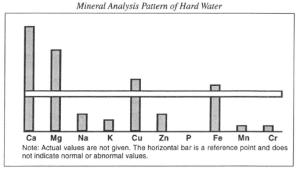
Hard water, for example, is classified as being sedative, as it has a high amount of calcium and magnesium relative to sodium and potassium.  Think about the old wives’ tale where you drink a glass of warm milk to fall asleep.  It’s the sedative characteristic of calcium primarily that does this.

Low blood pressure hard water mineral profile

(from Trace Elements and Other Essential Nutrients by David Watts)

Soft water, on the other hand, is stimulatory.  In soft water, the mineral pattern is opposite to the mineral pattern of hard water. Calcium and magnesium levels are very low relative to sodium and potassium. Several studies have confirmed that death rates from cardiovascular disease are higher in areas with soft water.

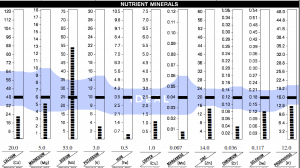
High Blood Pressure soft water mineral profile

Sodium and Blood Pressure Regulation

Sodium is an essential electrolyte that is involved in maintaining fluid balance and regulating blood pressure. Excessive sodium intake is known to lead to water retention, causing increased blood volume and elevated blood pressure.  It is a stimulatory mineral and high levels are associated with stress and fast metabolism. Monitoring sodium levels is therefore important for individuals with hypertension or those at risk of developing high blood pressure.

Calcium and Magnesium in Blood Pressure Regulation

Adequate calcium intake supports the dilation and constriction of blood vessels, contributing to optimal blood flow and maintaining healthy blood pressure levels. Magnesium is a vital mineral that helps relax blood vessels, promoting vasodilation and improving blood flow. It also plays a role in regulating the balance of other minerals, such as calcium and potassium, which impact blood pressure regulation. Magnesium deficiency has been associated with increased blood pressure and hypertension.

So, we need to get the BALANCE of these minerals correct.  Too much can be an issue, and too little can be an issue.  With respect to blood pressure, it’s generally accepted that high sodium is a problem as well as low magnesium, so it makes sense to know two things.

What type of water are we drinking?
What are our individual levels of minerals?

When we know this, we can make decisions such as do we add or remove salt from our diet.  Should we be supplementing with magnesium?

Hair Mineral Analysis

Hair mineral analysis is a non-invasive method that can provide insights into mineral imbalances within the body.

First, we need to address the elephant in the room.  The inevitable question that always comes up is why not run blood tests to assess minerals?  The short answer is that blood is held in a very tight homeostatic range and won’t fluctuate much.  It’s maintained at the expense of the tissues.  It’s a classic case of a good test but the wrong test.  For example, if you broke your leg, you wouldn’t want a blood test, you would want an x-ray.

Here’s how it works

A small sample of hair is collected, typically from the back of the head, and sent to a laboratory for analysis. The hair sample reflects the mineral content accumulated over time, offering information about long-term nutrient status.

Hair mineral analysis can help detect calcium, magnesium, sodium and potassium imbalances by measuring their relative concentrations in the hair sample. Deviations from optimal ranges may indicate potential issues with blood pressure regulation.

When you have this information you can then make decisions on the consumption of salt, magnesium supplementation, or other diet and supplement aspects.  In general, the hair mineral analysis pattern you need to look out for is what’s called fast oxidation where sodium and potassium are elevated. This usually occurs in very stressed individuals, and they are best advised to limit sodium consumption and to increase magnesium amongst other suggestions.

To learn more details about hair mineral analysis here is our in depth blog. Hair Tissue Mineral Analysis Explained 

To learn more about hair mineral analysis and how it can help with metabolic disease you can download our free eBook. The SPEED Trap: How To Reverse Metabolic Dysfunction

Conclusion

Water hardness, as well as the levels of essential minerals like sodium and potassium, can influence blood pressure regulation. More research needs to be done on the accurate connection between water hardness and blood pressure but monitoring sodium and potassium levels would most likely be helpful for maintaining healthy blood pressure.

Hair mineral analysis serves as a valuable tool in detecting imbalances. By providing insights into long-term mineral status, this non-invasive test can assist in early detection and personalized recommendations to restore balance and support healthy blood pressure levels.

Yours in Health,
Dr Todd Lizon B.P.H.E., D.C.

We care deeply about your metabolic health here at Lifestyle Integration.

Subscribe to our newsletter to get our free eBook on how to manage metabolic dysfunction
The SPEED Trap: How To Reverse Metabolic Dysfunction

Portable Photobiomodulation: The Benefits

PHOTOBIOMODULATION

Discover the transformative benefits of harnessing the power of light for your well-being, with the convenience of a portable photobiomodulation lamp.

Photobiomodulation (PBM), also known as low-level light therapy, has gained significant attention in recent years for its potential to enhance various aspects of human health.

The benefits of PBM are substantial but the entry point can be expensive.

Here we explore some of the benefits to a portable photobiomodulation lamp. To learn more or to purchase here is the link. Lifestyle Integration


We care deeply about your metabolic health here at Lifestyle Integration.

Subscribe to our newsletter to get our free eBook on how to manage metabolic dysfunction
The SPEED Trap: How To Reverse Metabolic Dysfunction


10 Ways To Reduce Blood Pressure Naturally

reduce blood pressure

High blood pressure, also known as hypertension, is a common condition that affects millions of people worldwide. It is one of the 5 symptoms that contribute to metabolic syndrome. If left untreated, it can increase the risk of serious health complications such as heart disease and stroke. While medications are often used to treat it, several lifestyle changes can help reduce blood pressure naturally. Here are ten ways to lower it naturally. (and one really cool bonus tip)

  1. Exercise regularly: Regular exercise can help to lower blood pressure by improving blood vessel function and reducing inflammation. Aim for at least 30 minutes of moderate-intensity exercise most days of the week.  If you can’t exercise due to injury or other factors there are exercise mimics  that can help you to jump-start the process.
  2. Maintain a healthy weight: Being overweight or obese can increase the risk of hypertension. Losing even a small amount of weight can help to lower it.  A simple scale will suffice but a smart scale will really help to motivate you and track the finer details such as body fat percentage
  3. Eat a healthy diet: A diet rich in fruits, vegetables, whole grains, lean protein, and healthy fats (LI fish oil) can help to lower blood pressure. Avoid processed and high-sodium foods, which can contribute to hypertension.
  4. Limit alcohol intake: Drinking excessive amounts of alcohol can increase blood pressure. Limit your alcohol intake to no more than one drink per day for women and two drinks per day for men.
  5. Reduce sodium intake: Consuming too much sodium can increase blood pressure. Limit your sodium intake to less than 2,300 mg per day, or less than 1,500 mg per day if you have hypertension or are at high risk.
  6. Quit smoking: Smoking can increase blood pressure and the risk of heart disease. Quitting smoking can help to lower blood pressure and improve overall cardiovascular health.
  7. Manage stress: Chronic stress can contribute to hypertension. Practice relaxation techniques such as meditation, deep breathing, yoga, or use a sauna to help manage stress.
  8. Get enough sleep: Chronic sleep deprivation can increase the risk of hypertension. Aim for at least seven hours of sleep per night.  With this suggestion it is highly suggested that you TRACK your sleep so you know if you are making progress.  Use a smart watch or wearable device such as a WHOOP band or FitBit. Here is how to get a free month of WHOOP.
  9. Monitor regularly: Regular monitoring of blood pressure can help to identify hypertension early and allow for prompt intervention.  A home device is best for this as “whitecoat syndrome” is quite prevalent and results in high readings due to stress when you are at your doctors office.  You can purchase arm or wrist blood pressure devices that will help you to get a better picture of what your blood pressure is doing during the day.
  10. Consider supplements: Some supplements, such as fish oil, magnesium, and potassium, may have blood pressure-lowering effects. However, it is important to consult with a healthcare provider before starting any new supplement regimen.

BONUS TIP

It has been found that resistance-breathing training can lower blood pressure as much as some medicines and/or exercises.  Here is some more to learn about this new and upcoming therapy.

In conclusion, there are several ways to lower hypertension naturally, including exercise, maintaining a healthy weight, eating a healthy diet, limiting alcohol intake, reducing sodium intake, quitting smoking, managing stress, getting enough sleep, monitoring blood pressure regularly, and considering supplements. By making these lifestyle changes, you can help to reduce your risk of hypertension and improve your overall health.

We care deeply about your metabolic health here at Lifestyle Integration.

Subscribe to our newsletter to get our free eBook on how to manage metabolic dysfunction
The SPEED Trap: How To Reverse Metabolic Dysfunction


Lower Cholesterol: The Mitochondria and Photobiomodulation Connection

light energy

Cholesterol is a waxy, fat-like substance that is present in every cell of the body, and is important to maintain in a healthy balance.  Mitochondria are organelles in our cells that are responsible for producing energy in the form of ATP. They are often referred to as the “powerhouses” of the cell. It’s not often talked about but, while the cholesterol content in mitochondria is low compared to other cell membranes, it is still important and it is the precursor for the production of steroid hormones, neurosteroids, and bile acids.

CHOLESTEROL AND MITOCHONDRIA

The key concept to understand is that the accumulation of cholesterol in mitochondria has a negative impact on mitochondrial function. It does this by limiting crucial antioxidant defenses, and increasing the generation of reactive oxygen species (ROS)

Understanding the terms is not important. What is important is understanding that the consequence of increased cholesterol in the mitochondria is increased oxidative stress and cell death.  It is a contributor that ultimately leads to the development of diverse diseases, including metabolic liver diseases, as well as lysosomal disorders and neurodegenerative diseases (i.e. Alzheimer’s disease).

Any therapy that can boost mitochondrial antioxidants is very promising for the treatment of diseases that share mitochondrial cholesterol imbalance as a common hallmark.

It would appear that Photobiomodulation can do this.

PHOTOBIOMODULATION

Photobiomodulation (PBM) is a non-invasive therapy that uses light in the form of low-level lasers or light-emitting diodes (LEDs) to stimulate cellular functions. PBM has been shown to improve mitochondrial health in a number of ways.

photobiomodulation to lower cholesterol

Specifically, when it comes to cholesterol and mitochondria, PBM has been shown to reduce oxidative stress in the mitochondria. Oxidative stress occurs when there is an imbalance between the production of reactive oxygen species (ROS) and the body’s ability to neutralize them.  PBM has been shown to reduce ROS levels, protecting the mitochondria from oxidative stress.

To further show how PBM can help, a randomized, controlled study looked directly at the influence PBM had to lower cholesterol and triglyceride serum levels in intensive care unit patients.

The sessions were done for 55 minutes, twice weekly for two successive weeks with 3 days between sessions.  A standard lipid panel was studied before the procedure to establish a baseline and at the end of the second week.  The results showed a statistically significant change in total cholesterol and serum triglycerides.

Here is what we know

  1. High cholesterol in your mitochondria predisposes you to disease by limiting anti-oxidant defences.
  2. Anti-oxidant therapies are proving to be promising when combating this issue.
  3. Photobiomodulation works by reducing anti-oxidant stress in the mitochondria and by lowering cholesterol.

This all suggests that if you undergo PBM it will lower cholesterol and increase your anti-oxidant protection.  In turn, this should allow for healthy mitochondria and a robust energy producing system where you feel healthy and energetic.

DAILY PBM APPLICATION

There are several ways to apply PBM and with a little research, you will determine what is best for you.  Here are some suggestions.

SUMMARY

Proper mitochondrial function is critical when it comes to metabolic health and lower cholesterol.  We need our “energy factories” to be functioning as close to 100% as possible and it is clear that cholesterol impedes this.  The novel and simple treatment called photobiomodulation can help in multiple ways with our metabolic health and is something that needs to continue to be explored in the future.


We care deeply about your metabolic health here at Lifestyle Integration.

Subscribe to our newsletter to get our free eBook on how to manage metabolic dysfunction
The SPEED Trap: How To Reverse Metabolic Dysfunction


References:

Goicoechea L, Conde de la Rosa L, Torres S, García-Ruiz C, Fernández-Checa JC. Mitochondrial cholesterol: Metabolism and impact on redox biology and disease. Redox Biol. 2023 May;61:102643. doi: 10.1016/j.redox.2023.102643. Epub 2023 Feb 24. PMID: 36857930; PMCID: PMC9989693.

Chung H, et al. The nuts and bolts of low-level laser (light) therapy. Ann Biomed Eng. 2012;40(2):516-33.

Keszler A, et al. Photobiomodulation-induced changes in mitochondrial dynamics and cell metabolism. Biomed Eng Online. 2020;19(1):15.

Paolillo FR, Campos TYTB, Alvarez C, Sene-Fiorese M, Bagnato VS, de Oliveira Duarte ACG, Parizotto NA. Synergic effects of ultrasound and laser therapies on mesentery for management of obesity and diabetes in rats. J Biophotonics. 2021 Nov;14(11):e202100109. doi: 10.1002/jbio.202100109. Epub 2021 Aug 13. PMID: 34363327.

Rushdi, Tarek. (2010). Effect of low-level laser therapy on cholesterol and triglyceride serum levels in ICU patients: A controlled, randomized study. EJCTA. 4.